-
 English
-
 Español
-
 Português
-
 Русский
-
 Français
-
 日本語
日本語
-
 Deutsch
-
 Tiếng Việt
-
 Italiano
-
 Nederlands
-
 ไทย
ไทย
-
 Polski
-
 한국어
한국어
-
 Svenska
-
 Magyar
-
 Bahasa Melayu
-
 বাংলা
বাংলা
-
 Dansk
Dansk
-
 Suomi
Suomi
-
 हिन्दी
-
 Filipino
-
 Türkçe
-
 Gaeilge
-
 العربية
-
 Bahasa Indonesia
-
 Norsk
Norsk
-
 اردو
اردو
-
 Čeština
-
 Ελληνικά
-
 Українська
-
 Basa Jawa
-
 فارسی
فارسی
-
 தமிழ்
தமிழ்
-
 తెలుగు
-
 नेपाली
-
 မြန်မာ
-
 Български
-
 ລາວ
ລາວ
-
 Latina
-
 Қазақша
-
 Euskera
-
 Azərbaycan
-
 Slovenčina
-
 Македонски
-
 Lietuvių
-
 Eesti
Eesti
-
 Română
-
 Slovenščina


Home
>
News
>
Industry News
>
Thick film resistor withstand capability test under high temperature environment
Thick film resistor withstand capability test under high temperature environment
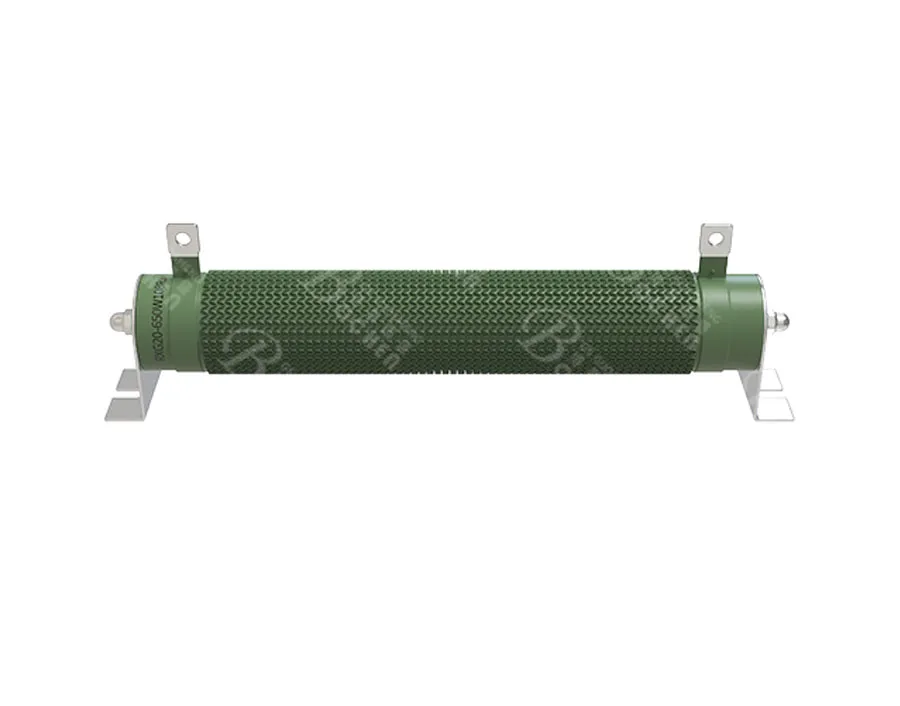
What is a Thick-Film Resistor?
A thick-film resistor is a resistor composed of conductive material and an insulating substrate, commonly used in electronic devices. It achieves resistance control by depositing a thick film on the substrate. The advantages of thick-film resistors include miniaturization, high stability, and good heat resistance. But can these advantages be maintained in high-temperature environments?
The Effects of High-Temperature Environments on Thick-Film Resistors
High-temperature environments can lead to a decline in the performance of thick-film resistors, much like a person exercising in high temperatures experiences fatigue and discomfort. Specifically, increased temperature affects the stability of the resistance value, power load capacity, and anti-aging characteristics. Therefore, understanding the withstand capability of thick-film resistors under high-temperature conditions is particularly important.
The Importance of Endurance Testing
Performing endurance testing is like giving your car a check-up, ensuring it functions properly under various conditions. For thick-film resistors, this test mainly focuses on the following aspects:
1. Resistance Stability: Testing whether the resistance value of the thick-film resistor remains within the design range at different temperatures.
2. Power Load Capacity: Whether the power load capacity of the thick-film resistor decreases at high temperatures, affecting the normal operation of the circuit.
3. Aging Characteristics: Whether the thick-film resistor exhibits aging phenomena, such as resistance value drift, after prolonged exposure to high-temperature environments.
Specific Steps for Endurance Testing
Endurance testing typically includes the following steps:
1. Sample Preparation: Select several thick-film resistor samples, ensuring their specifications and models are consistent to guarantee the impartiality of the test.
2. Environmental Setup: Place the samples in a high-temperature test environment, typically set between 85℃ and 125℃, simulating actual usage conditions.
3. Resistance Monitoring: Regularly measure the resistance value of the thick-film resistor under high-temperature conditions and record the data to observe its changing trends.
4. Power Load Test: The sample is subjected to a power load test at high temperature to observe whether overheating or performance degradation occurs.
5. Aging Test: The sample is continuously placed at high temperature for a period of time, and then the resistance value is measured again to assess its aging degree.
Analysis of Test Results
Through these tests, we can obtain data on the performance of thick-film resistors in high-temperature environments. For example, the resistance drift rate, changes in power load capacity, and aging characteristics. Analyzing this data is like reviewing a doctor's checkup report, providing a clear understanding of the health status of the thick-film resistor.
If the resistance value remains stable under high-temperature conditions, it indicates excellent tolerance; conversely, replacement or design optimization may need to be considered. This analysis not only ensures product quality but also provides data support for subsequent product development.
Summary
High-temperature environments pose a severe test to the tolerance of thick-film resistors, and tolerance testing allows us to systematically evaluate their performance under extreme conditions. After all, in electronic devices, even a minor fault can lead to larger problems. Therefore, ensuring the stability of thick-film resistors is crucial not only for their lifespan but also for the overall performance of the equipment.
For designers and engineers, understanding the tolerance capabilities of thick-film resistors is essential to selecting the appropriate resistors for their products and ensuring their reliability in complex environments.