-
 English
-
 Español
-
 Português
-
 Русский
-
 Français
-
 日本語
日本語
-
 Deutsch
-
 Tiếng Việt
-
 Italiano
-
 Nederlands
-
 ไทย
ไทย
-
 Polski
-
 한국어
한국어
-
 Svenska
-
 Magyar
-
 Bahasa Melayu
-
 বাংলা
বাংলা
-
 Dansk
Dansk
-
 Suomi
Suomi
-
 हिन्दी
-
 Filipino
-
 Türkçe
-
 Gaeilge
-
 العربية
-
 Bahasa Indonesia
-
 Norsk
Norsk
-
 اردو
اردو
-
 Čeština
-
 Ελληνικά
-
 Українська
-
 Basa Jawa
-
 فارسی
فارسی
-
 தமிழ்
தமிழ்
-
 తెలుగు
-
 नेपाली
-
 မြန်မာ
-
 Български
-
 ລາວ
ລາວ
-
 Latina
-
 Қазақша
-
 Euskera
-
 Azərbaycan
-
 Slovenčina
-
 Македонски
-
 Lietuvių
-
 Eesti
Eesti
-
 Română
-
 Slovenščina


Home
>
News
>
Industry News
>
Analysis of the differences between thick film resistors and other types of resistors
Analysis of the differences between thick film resistors and other types of resistors
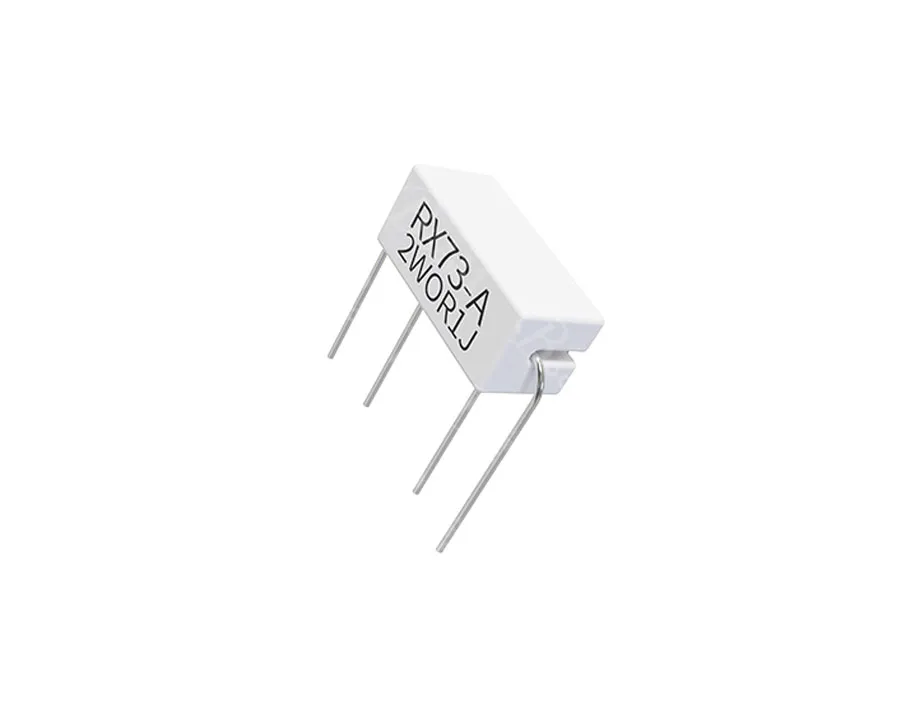
What is a Thick-Film Resistor?
A thick-film resistor is a widely used type of resistor. As the name suggests, its resistive layer is made of a thick conductive film. This type of resistor typically consists of a ceramic substrate and a thick film, which is fixed to the substrate through a sintering process. Due to the stability of its structure, thick-film resistors perform exceptionally well in many circuits. Imagine it as giving the circuit a sturdy coat, protecting the internal components while ensuring smooth current flow.
Differences between Thick-Film and Thin-Film Resistors
So, what are the differences between thick-film and thin-film resistors? First, the manufacturing process of thick-film resistors is relatively simple, resulting in lower production costs and making them more affordable. Thin-film resistors, on the other hand, have a more complex manufacturing process, typically requiring higher technical expertise, and are therefore more expensive.
Secondly, thick-film resistors have lower accuracy and temperature coefficient than thin-film resistors. Simply put, thin-film resistors excel in high precision and temperature stability. If we compare a resistor to an athlete, a thick-film resistor is like a nimble runner—fast but less stable—while a thin-film resistor is like a marathon runner—strong in endurance and highly stable.
Comparison of Thick-Film Resistors and Wire-Wound Resistors
Let's look at the difference between thick-film resistors and wire-wound resistors. Wire-wound resistors are formed by winding metal wire around an insulating substrate. This type of resistor typically has higher power handling capability and lower noise. You could say that a wire-wound resistor is like a power athlete, capable of withstanding higher loads.
While thick-film resistors have lower power handling capability, their small size and light weight make them ideal for applications with limited space. Imagine two athletes on a track: one is burly and powerful; the other is agile and nimble, able to move quickly. The performance of thick-film resistors in small electronic devices perfectly embodies this flexibility.
Applications of Thick-Film Resistors
So, where are thick-film resistors actually used? In fact, thick-film resistors have a very wide range of applications. They are widely used in home appliances, automotive electronics, medical equipment, and many other fields. Due to their low cost and simple manufacturing process, thick-film resistors are the preferred choice in many products.
Imagine finding a thick-film resistor in your home appliances; it means it can provide a stable current to your devices at a relatively low cost, ensuring their normal operation. This technology is undoubtedly an indispensable part of modern electronic products.
Reasons for Choosing Thick-Film Resistors
You might ask, why choose thick-film resistors instead of other types of resistors? The answer is simple: thick-film resistors have unique advantages in terms of price, size, and manufacturing process. If you want a resistor with high cost-performance and wide applicability, a thick-film resistor is undoubtedly a good choice.
Moreover, with technological advancements, the performance of thick-film resistors is constantly improving. Many manufacturers have begun to launch thick-film resistors with higher precision and higher temperature stability to meet market demands. This means that the future of thick-film resistors is even brighter.
Summary
In summary, thick-film resistors have secured a place in the electronic components market due to their unique advantages. While thick-film resistors may fall short of thin-film and wire-wound resistors in some aspects, they offer unparalleled advantages in terms of cost-effectiveness, size, and application range. Understanding the differences between various types of resistors can help you make a more informed decision when choosing one.
Hopefully, this article has provided you with an understanding of thick-film resistors. If you still have questions about selecting resistors, it's worthwhile to learn more about the characteristics of different types to find the product that best suits your needs.